
Espresso Machines Under £500
Finding the right espresso machine under £500 can feel overwhelming - especially when every brand promises barista-quality coffee at home.
The reality is, not all machines in this range are equal. Some prioritise convenience, while others focus on control and long-term performance.
In this quide we’ve selected espresso machines that genuinely deliver - whether you are just starting out or looking to upgrade your home setup. Each option balances build quality, usability, and most importantly, the ability to produce consistently good espresso.
If you're new to espresso machines, our Espresso Knowledge section explains how these systems work in more detail.
Some links on this page are affiliate links. If you choose to purchase through them, it helps support the site at no additional cost to you.
These recommendations are based on practical use, research, and a focus on helping you choose equipment that genuinely suits your needs.
A few machines to consider under £500
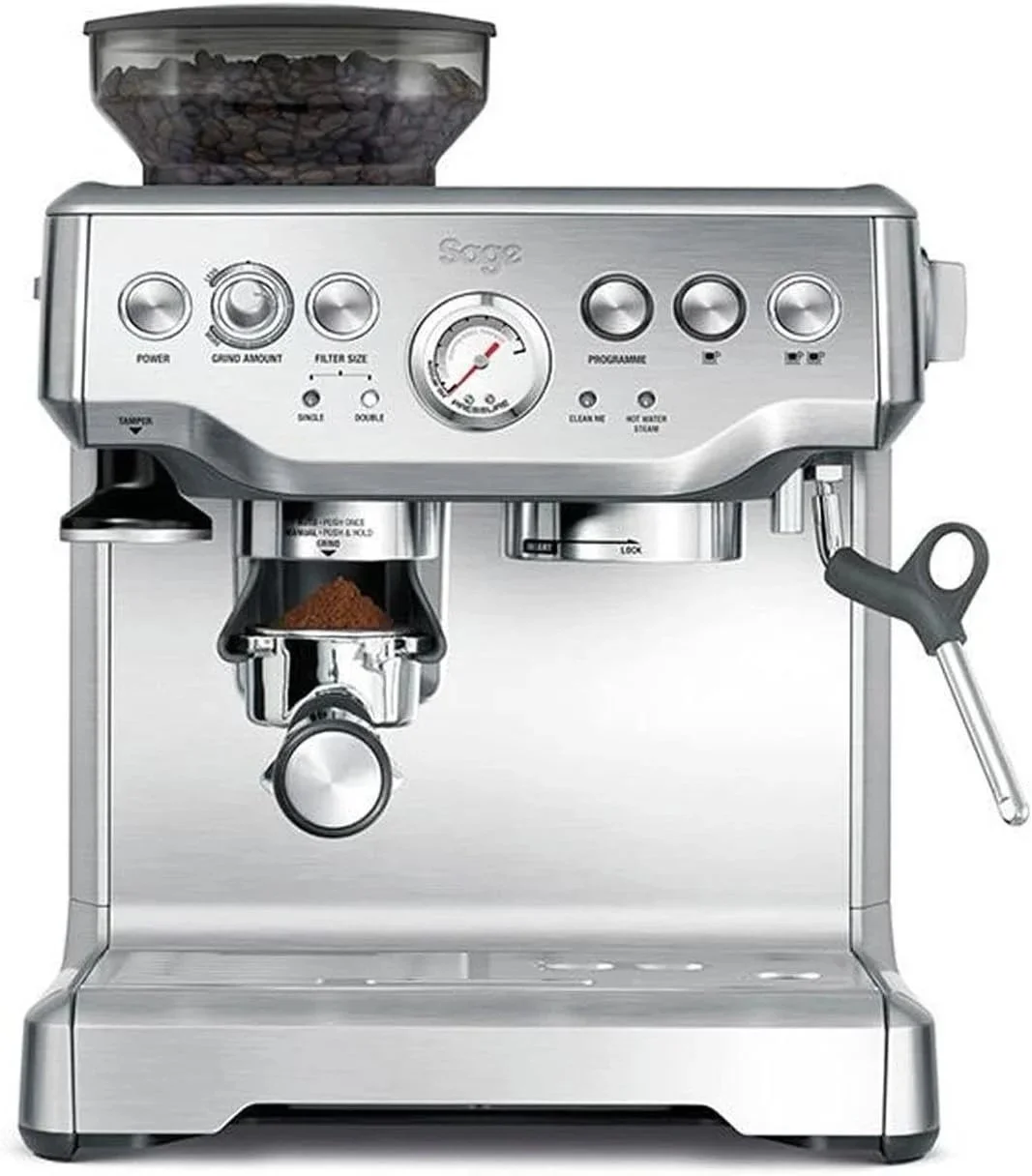
Sage Barista Express — a well-known all-in-one machine with an integrated grinder
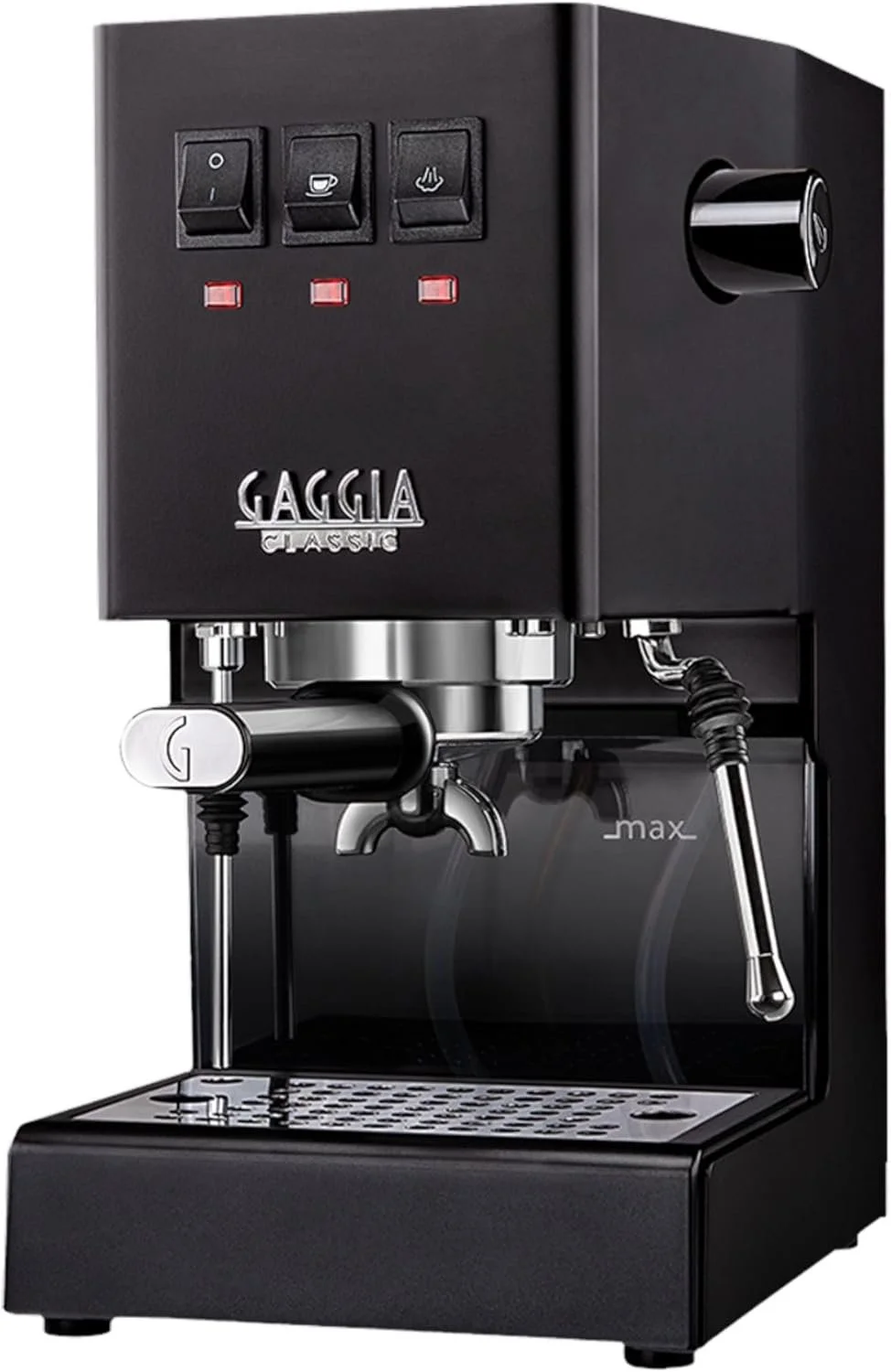
Gaggia Classic Pro — a traditional manual machine often chosen to learn espresso fundamentals
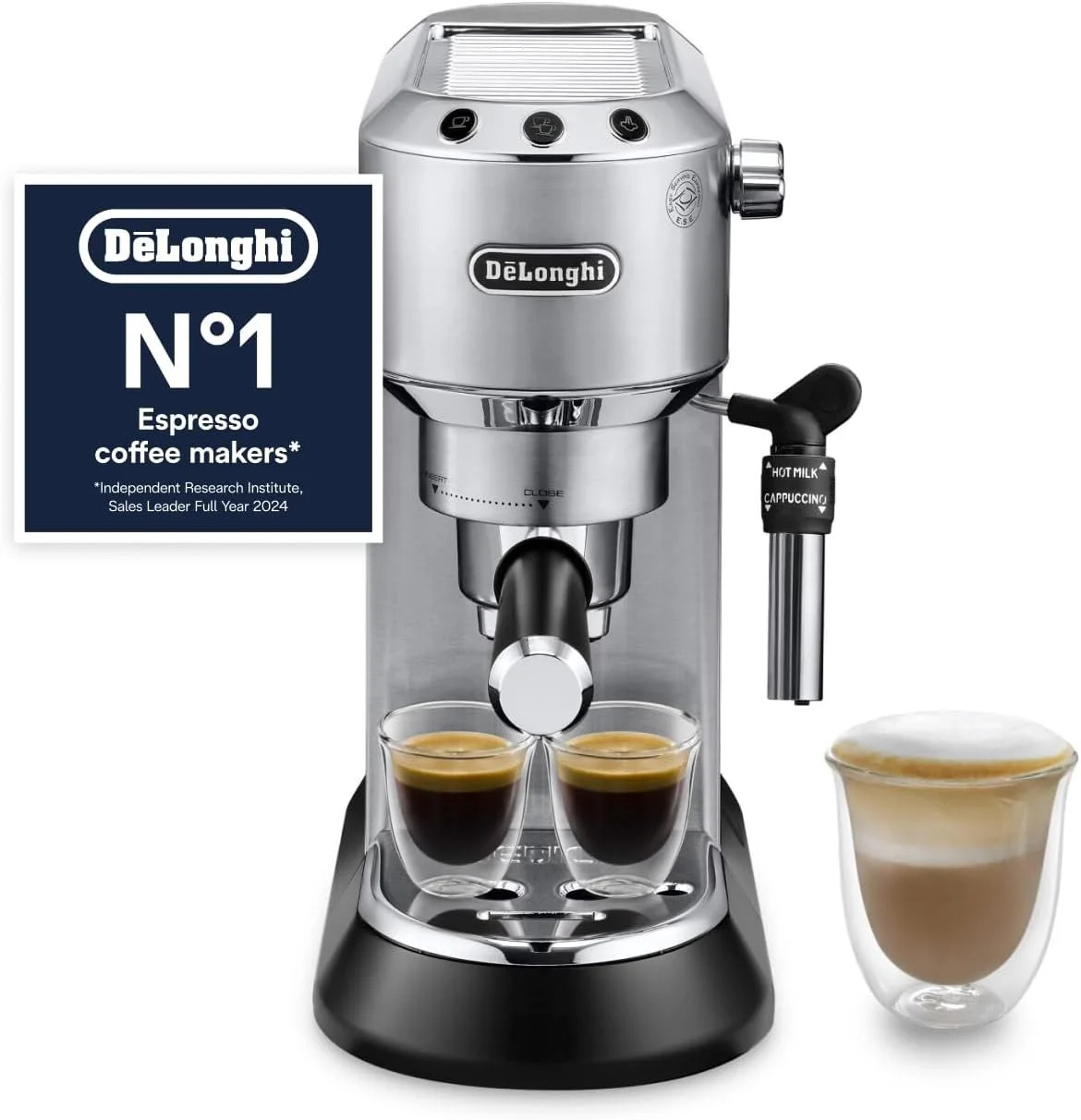
De’Longhi Dedica Style — a compact, accessible machine suited to smaller kitchens and simple setups
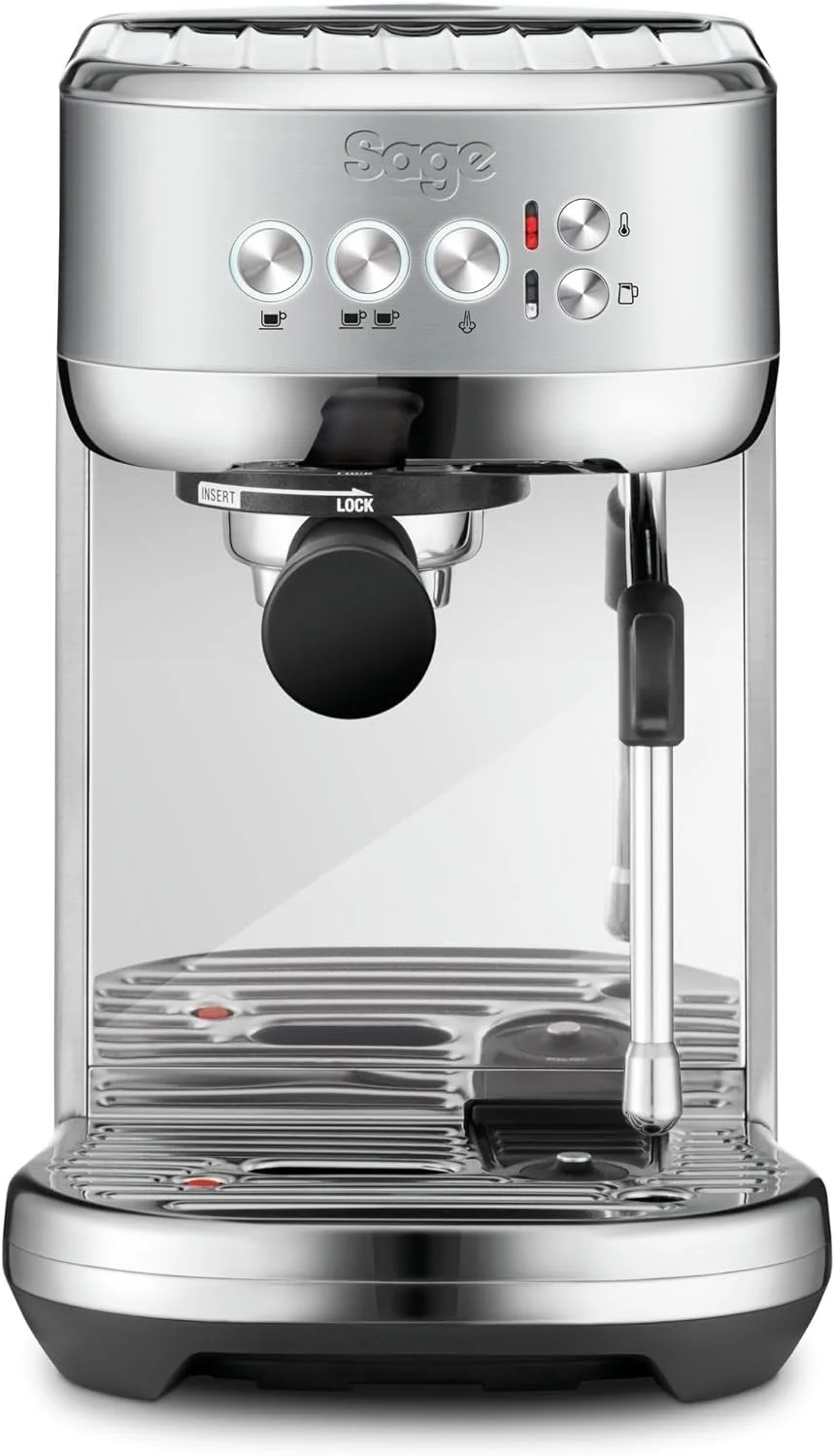
Sage Bambino Plus — a simple, fast-heating option designed for ease of use
If you'd like to explore current availability and pricing, you can view these machines through the links below.
Sage Barista Express
Who it’s for
If you want a complete espresso setup without buyimg separate equipment, the Sage Barista Express is one of the most practical choices available.
Key Specs
Built-in conical burr grinder
15-bar pump pressure
Thermocoil heating system
Integrated steam wand
Stainless steel construction
What stands out
The biggest advantage here is convenience. You can grind, dose, and brew from a single machine, which removes a lot of friction beginners face.
It also gives you enough control to improve over time - something many entry-level machines lack.
Downsides
Grinder isn’t as precise as a standalone unit.
Can feel like a compromise for advanced users.
Verdict
A strong all-rounder that makes proper espresso accessible without complicating the process.
Gaggia Classic Pro
Who it’s for
If you want a more traditional espresso machine that focuses on the fundamentals, the Gaggia Classic Pro is a strong choice. It suits those willing to learn the process and build a routine over time.
Prices can vary slightly, and this model is sometimes found just above the £500 mark depending on the retailer.
Key Specs
Commercial-style 58mm portafilter
Single boiler system
15-bar vibration pump
Manual steam wand
Solid stainless steel housing
What stands out
The Gaggia Classic Pro is often considered a true entry point into ‘proper’ espresso. Unlike all-in-one machines, it separates the process - meaning you’ll need a grinder, but you gain more control over your results.
The commercial-style 58mm portafilter and group head give it a more traditional feel, and with a good grinder , it’s capable of producing excellent espresso.
Traditional machines like this are often paired with capable grinders, and the differences are explained in our guide to flat burr vs conical burr grinders.
Downsides
No built-in grinder (one is essential)
Temperature stability requires a bit of practice
Steam performance is adequate but not powerful.
Verdict
A machine that rewards patience and consistency. If you are willing to learn the workflow, it offers a more hands-on espresso experience and strong long term value.
De’Longhi Dedica Style
Who it’s for
If you want a compact, straightforward machine that fits easily into a small kitchen, the De’Longhi Dedica Style is a practical starting point. It suits those who prefer a simple setup and a quicker, more accessible introduction to espresso at home.
Key Specs
Slim 15cm-wide design
Thermoblock heating system
15-bar vibration pump
Pressurised portafilter system
Manual steam wand
What stands out
The Dedica Style is designed around convenience and size. Its narrow footprint makes it one of the easiest machines to fit into tighter spaces, and it heats up quickly thanks to its thermoblock system.
These machines use thermoblock heating systems, which are explained in more detail in our guide to thermoblock vs boiler espresso machines.
The pressurised basket system simplifies the process, allowing acceptable results without precise grinding or advanced technique. This makes it more forgiving than traditional machines, particularly for beginners.
Downsides
Limited control compared to traditional machines
Pressurised system restricts espresso quality
Steam wand is functional but basic
Verdict
A simple and accessible way to start making espresso at home. While it doesn’t offer the control or potential of more traditional machines, it provides a practical entry point for those prioritising ease of use and compact design.
Sage Bambino Plus
Who it’s for
If you want a compact espresso machine that delivers good results without taking up much space or requiring a long learning curve, the Sage Bambino Plus is a practical option. It suits those who value covenience and speed, particlarly for milk-based drinks.
Key specs
ThermoJet heating system (fast heat-up)
54mm portafilter
Automatic milk texturing (steam wand)
Compact footprint
Pre-infusion for more even extraction
What stands out
The standout feature here is how quickly it’s ready to use. The ThermoJet system heats up in seconds, making it ideal for everyday use where time matters.
The automatic steam wand is also a major advantage for those who regularly make cappucinos, flat whites, or lattes, as it simplifies milk texturing without removing the option for manual control.
Downsides
No built-in grinder (one is essential)
Lighter build compared to more traditional machines
Less control than manual or prosumer-style machines
Verdict
A convenient well-designed machine that makes espresso and milk drinks accessible with minimal effort. Ideal for those who want good results without committing to a more hands-on workflow.
Quick Comparison
Each of these machines takes a slightly different approach to making espresso at home.
Sage Barista Express
A complete, all-in-one setup that combines grinder and machine. Suited to those who want convenience with enough control to improve over time.
Gaggia Classic Pro
A more traditional espresso machine that focuses on the fundamentals. Requires a separate grinder and a willingness to learn, but offers a more hands-on experience.
De’Longhi Dedica Style A compact, space-saving machine designed for simplicity. Uses a pressurised system to make espresso more forgiving, with less need for precise technique.
Sage Bambino Plus
Compact and fast, with a strong focus on ease of use and milk-based drinks. Ideal for everyday convenience, especially where space or time is limited.
Choosing Between Them
The decision often comes down to how involved you want to be in the process:
Prefer simplicity → Bambino Plus
Want everything in one machine → Barista Express
Interested in learning traditional espresso → Gaggia Classic Pro
Want a simple setup — De’Longhi Dedica Style
If you’re starting to refine your espresso further, the grinder becomes just as important as the machine. You can explore a small number of commonly paired options in our espresso grinder guide.
Final Thought
There isn’t a single “best” option here — only the one that fits how you want to make coffee at home.
